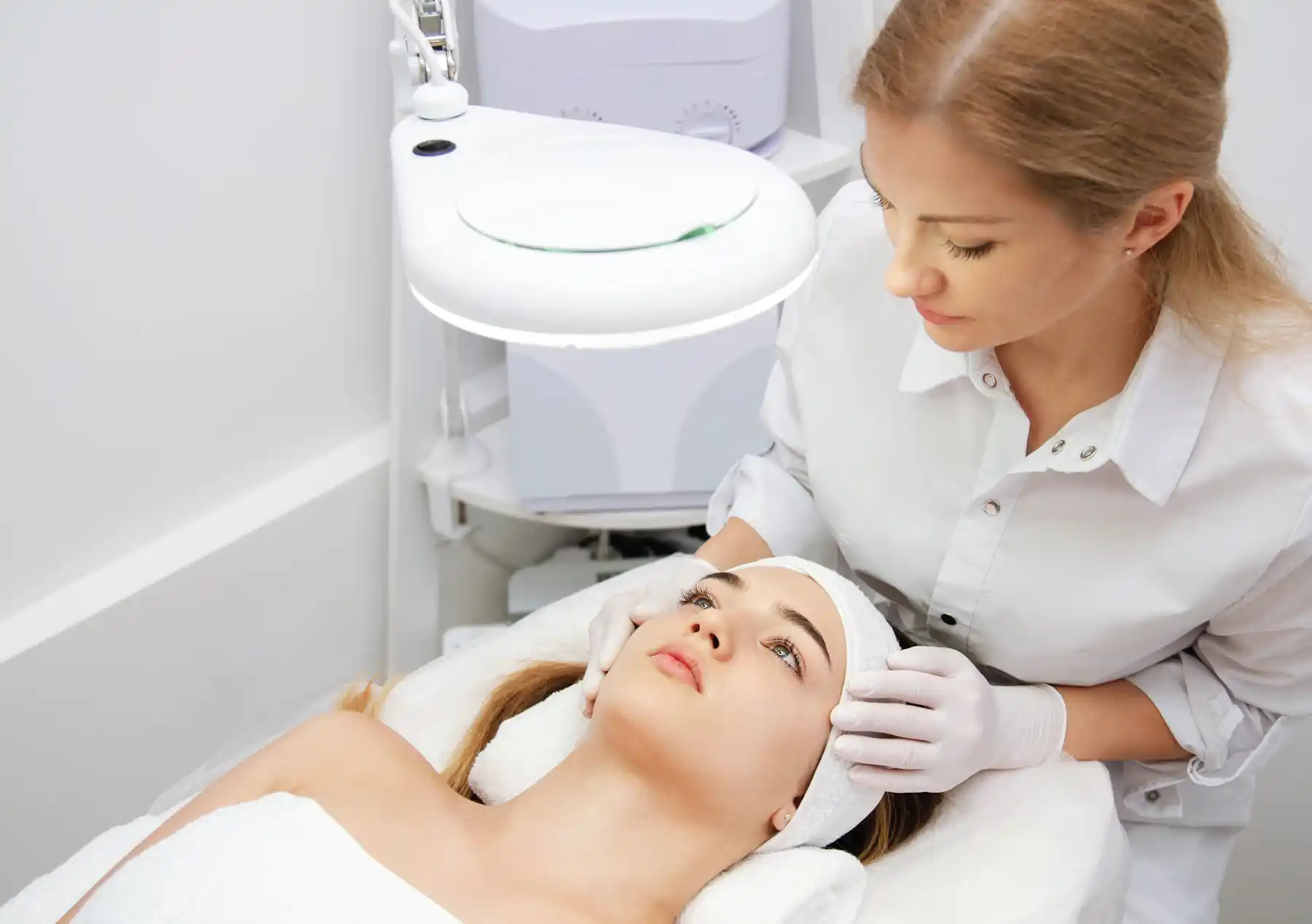
Beauty therapists play an important role in helping clients feel confident, cared for and comfortable in their own skin. From facials and waxing through to advanced skin treatments, brow services, lash treatments and skin rejuvenation procedures, beauty therapists often work in close contact with clients every day.
Because many beauty treatments involve direct contact with the skin, treatment tools, equipment, products and sometimes broken or sensitive skin, infection control is a critical part of professional beauty therapy practice.
For beauty therapists, infection control training is not just about keeping a salon clean. It is about understanding how infections spread, reducing contamination risks, protecting clients and staff, and creating a safer, more professional treatment environment.
Why Infection Control Matters For Beauty Therapists
Beauty therapists work in environments where hygiene and client safety must be taken seriously. Even simple treatments can carry infection risks if they are not performed correctly.
A beauty therapist may come into contact with skin, hair, bodily fluids, used towels, treatment beds, waxing equipment, tweezers, facial tools, product containers, gloves, waste and other shared surfaces.
Without proper infection control procedures, microorganisms can be transferred between clients, equipment, surfaces and staff.
Infection control training helps beauty therapists understand these risks and apply safer procedures in their everyday work.
Beauty Therapy Is A Hands-On Industry
Beauty therapy is a very hands-on profession. Treatments often involve close physical contact with the client’s face, body, skin, brows, lashes, hands or feet.
Because of this close contact, beauty therapists need to understand how to reduce the spread of bacteria, viruses, fungi and other microorganisms.
Good infection control helps protect clients, but it also protects the practitioner. Beauty therapists may see multiple clients in one day, so consistent hygiene habits are essential from the first appointment to the last.
Infection control training helps create these habits and reinforces why they matter.
Common Infection Risks In Beauty Salons
Beauty salons and skin clinics can involve a range of possible infection control risks. These may include contaminated surfaces, poorly cleaned tools, incorrect hand hygiene, reused single-use items, unsafe waste disposal, improper towel handling or poor treatment room cleaning between clients.
Treatments such as waxing, extractions, brow services, lash services, facials, skin treatments and advanced beauty procedures all require careful hygiene practices.
Some treatments may also involve minor skin irritation, broken skin or contact with sensitive areas. This makes infection control even more important.
Beauty therapists need to know how to manage these risks in a practical salon environment.
Hand Hygiene For Beauty Therapists
Hand hygiene is one of the most important infection control practices for beauty therapists.
Beauty therapists use their hands constantly throughout the day. They may touch products, treatment beds, tools, client skin, towels, gloves, door handles, phones, EFTPOS machines and other surfaces.
Without proper hand hygiene, microorganisms can easily be transferred from one surface or client to another.
Infection control training helps beauty therapists understand when to wash or sanitise their hands, how to do it properly and why gloves do not replace good hand hygiene.
Strong hand hygiene should be part of every beauty therapist’s daily routine.
Cleaning Between Clients
Cleaning between clients is essential in any beauty salon or clinic. Treatment beds, chairs, benches, tools, equipment and commonly touched surfaces should be managed properly before the next appointment begins.
A treatment room may look clean, but looking clean is not the same as being hygienically safe.
Beauty therapists need to understand the difference between cleaning, disinfecting and sterilising where relevant. They also need to know which procedures apply to different tools, equipment and treatment areas.
Infection control training helps beauty therapists understand how to maintain a safer environment between appointments and reduce the risk of cross-contamination.
Preventing Cross-Contamination In Beauty Therapy
Cross-contamination occurs when microorganisms are transferred from one person, item or surface to another.
In a beauty salon, cross-contamination can happen very easily. It may occur through hands, gloves, towels, product jars, brushes, tweezers, waxing sticks, treatment beds, client forms, phones or shared equipment.
Beauty therapists need to think carefully about how they handle items during a treatment.
For example, placing a used tool back into a clean area, double-dipping into product containers or touching non-clean surfaces while wearing gloves can increase contamination risks.
Infection control training helps beauty therapists recognise these risks and develop safer working habits.
Personal Protective Equipment In Beauty Therapy
Personal protective equipment, often called PPE, may be required for certain beauty treatments. This can include gloves, masks, aprons, protective eyewear or other protective items depending on the service being performed.
PPE helps create a barrier between the beauty therapist, the client and possible sources of contamination.
However, PPE must be used correctly. Gloves should be changed when needed, masks should be worn appropriately, and contaminated items should be removed and disposed of safely.
Infection control training helps beauty therapists understand how to use PPE properly and how it fits into the wider infection control process.
Infection Control For Waxing Treatments
Waxing is one of the most common beauty therapy treatments, but it also requires careful hygiene procedures.
Waxing can cause temporary irritation and may remove surface skin cells. In some cases, small spots of blood may appear, especially in sensitive areas or where the skin is delicate.
Beauty therapists must understand how to prepare the skin, use clean equipment, avoid cross-contamination, handle wax safely and dispose of used materials correctly.
Single-use applicators and correct hygiene practices are especially important.
Infection control training helps beauty therapists understand how to reduce risks during waxing treatments and protect both the client and the practitioner.
Infection Control For Facial Treatments
Facial treatments often involve close contact with the client’s face, skin, eyes, nose and mouth area. This makes hygiene especially important.
Beauty therapists may use cleansers, exfoliants, masks, steam, extraction tools, towels, sponges, bowls, brushes and other treatment products.
Poor infection control during facial treatments can increase the risk of transferring microorganisms between the therapist, client, products and equipment.
Infection control training helps beauty therapists understand how to prepare facial treatment areas safely, manage tools and products correctly, and clean effectively between clients.
Infection Control For Brow And Lash Treatments
Brow and lash treatments are performed close to the eyes, which makes hygiene particularly important.
Beauty therapists may provide brow shaping, brow tinting, lash tinting, lash lifting, lash extensions or related services. These treatments involve close contact with the eye area and may use tools, adhesives, tint, brushes, applicators, pads and tweezers.
Good infection control helps reduce risks associated with contaminated tools, shared products or poor handling during treatment.
Infection control training helps beauty therapists understand how to work more safely around sensitive areas and maintain professional hygiene standards.
Infection Control For Advanced Skin Treatments
Many beauty therapists now offer more advanced skin treatments. These may include skin needling, peels, microdermabrasion, dermaplaning, extractions or other treatments that require a higher level of care.
Where treatments affect the skin barrier, infection control becomes even more important.
Beauty therapists offering advanced skin services need to understand client screening, skin preparation, tool handling, treatment room setup, waste disposal and aftercare advice.
Infection control training can help support safer practice and give beauty therapists more confidence when working with treatments that involve sensitive or compromised skin.
Product And Equipment Hygiene
Beauty therapists use many products and pieces of equipment throughout the day. These may include creams, serums, oils, masks, wax pots, brushes, tweezers, bowls, towels, beds, lamps, machines and treatment tools.
Products and equipment must be managed properly to reduce contamination risks.
For example, product jars should not be contaminated by used hands or tools. Reusable items should be cleaned correctly. Single-use items should not be reused.
Infection control training helps beauty therapists understand how everyday product and equipment handling can affect client safety.
Waste Disposal In Beauty Salons
Waste disposal is an important part of infection control. Beauty salons may produce general waste, used gloves, contaminated wipes, waxing strips, disposable applicators, tissues, towels and other used materials.
Some treatments may also involve sharps or materials that require additional care, depending on the services offered.
Beauty therapists need to know how to dispose of waste safely and keep clean areas separate from used or contaminated items.
A well-organised waste system supports a safer and more professional salon environment.
Infection Control And Client Aftercare
Infection control does not always end when the treatment is finished. Aftercare advice can be an important part of helping clients avoid irritation, infection or complications after beauty treatments.
For example, after waxing, skin treatments, extractions or advanced procedures, clients may need guidance on what to avoid, how to care for the treated area and when to seek advice if they notice a concern.
Clear aftercare advice helps clients understand their role in maintaining hygiene after leaving the salon.
Beauty therapists who provide strong aftercare information demonstrate professionalism and care.
Building Client Trust Through Hygiene
Clients notice cleanliness. They notice whether a salon looks organised, whether tools appear clean, whether the treatment bed is prepared properly and whether the therapist follows hygienic procedures.
Strong infection control can help build client trust.
When beauty therapists demonstrate safe and professional hygiene practices, clients are more likely to feel comfortable, confident and cared for.
In the beauty industry, reputation matters. A client who feels safe is more likely to return, recommend the salon and trust the practitioner with future treatments.
Infection Control Training For Salon Teams
Many beauty therapists work as part of a salon or clinic team. In these environments, infection control needs to be consistent across all staff members.
It is not enough for one therapist to follow good procedures if others do not. A salon needs shared standards and clear systems.
Infection control training can help create a common understanding across the team. This may include hand hygiene, cleaning procedures, equipment handling, waste disposal, client preparation and treatment room setup.
When everyone follows the same infection control principles, the salon becomes safer and more professional.
Why Salon Owners Should Prioritise Infection Control
Salon owners have a responsibility to create a safe environment for clients and staff. Even if the owner is not performing every treatment personally, they are responsible for workplace systems, staff expectations and the overall standard of the business.
Infection control training can help salon owners and beauty therapists understand what safe practice looks like in a real salon setting.
It can also support staff training, service expansion and better client confidence.
For salons offering advanced beauty, cosmetic or skin treatments, infection control should be treated as a business priority.
Choosing The Right Infection Control Course
Beauty therapists should choose infection control training that is relevant to their services, workplace and location.
Different treatments may involve different levels of risk. A therapist offering basic beauty services may have different needs from a therapist offering skin penetration, cosmetic tattooing or advanced skin treatments.
Common infection control units in the beauty and skin penetration industries include HLTINF005 Maintain Infection Prevention For Skin Penetration Treatments and SHBBINF002 Maintain Infection Control Standards.
Before enrolling, beauty therapists should confirm which course is most suitable for their profession, services and state or territory requirements.
Infection Control Training With Elevare Training Group
Elevare Training Group provides infection control training for professionals working across the beauty, cosmetic, skin penetration and medical aesthetics industries.
For beauty therapists, infection control training can help strengthen knowledge, support safer treatment procedures and reinforce professional hygiene standards.
Whether you are new to the beauty industry, already working in a salon, offering advanced skin treatments or managing a beauty business, infection control training is an important part of responsible practice.
Beauty therapy is built on trust, care and professionalism. Strong infection control helps protect clients, support safer outcomes and build a better reputation for both the practitioner and the business.