AUSTRALIA-WIDE
INFECTION CONTROL TRAINING
Nationally accredited training:
HLTINF005 Maintain infection prevention for skin penetration procedures
SHBBINF002 Maintain infection control standards
Elevare Training Group (RTO No. 46372)
Gain the skills required to perform cosmetic tattooing, body piercing, laser removal, and other skin penetration services safely and legally. Our nationally recognised infection control courses meet all state and local council requirements Australia wide.
Enrol today and start learning instantly.
Accredited, Nationally Recognised
Infection Control Courses for Skin Penetration
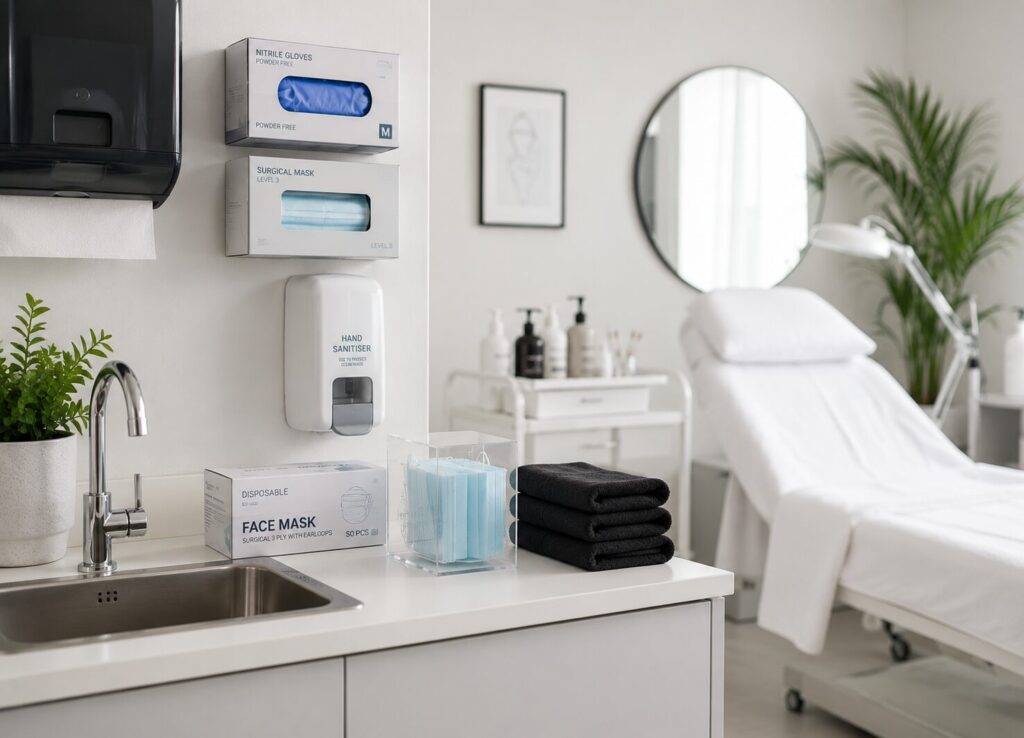
Elevare Training Group (RTO 46372) provides nationally recognised infection control training and certification for professionals performing skin penetration procedures across Australia.
Choose from HLTINF005 Maintain infection prevention for skin penetration treatments or SHBBINF002 Maintain infection control standards. Both infection control courses are nationally recognised training, with HLTINF005 required in Queensland for relevant skin penetration licensing requirements but also valid in all states.
Study online at your own pace and complete the practical assessment requirements without attending regular classroom training.
Meet Council and Licensing Requirements in Australia
For anyone seeking a Personal Appearance Services (PAS) Licence to perform cosmetic or body art tattooing, body piercing, cosmetic injectables or related treatments, completing either HLTINF005 Maintain infection prevention for skin penetration procedures or SHBBINF002 Maintain infection control standards ensures you meet the standards set by your state and territory health departments and local councils.
HLTINF005 Maintain infection prevention for skin penetration procedures is valid in all states including Queensland, while SHBBINF002 Maintain infection control standards is accepted in all states except Queensland.
Choosing the correct unit ensures your qualification is recognised wherever you plan to work.
Course Options and Pricing
HLTINF005
Maintain Infection Prevention for Skin Penetration Procedures
$350$299
- Standard Course
- All States incl QLD
- Online, self-directed
SHBBINF002
Maintain Infection Control Standards
$350$299
- Standard Course
- All States except QLD
- Online, self-directed
HLTINF005 (FAST TRACK)
Maintain Infection Prevention for Skin Penetration Procedures
$299$250
- For Registered Nurses only
- All States incl QLD
- Online, self-directed
Infection Control Training
Online or In-Person
Study From Anywhere in Australia
Our courses are delivered online, giving you the flexibility to study from anywhere in Australia. All you need is:
A laptop or PC with internet access and Google Chrome or similar browser
Video recording equipment such as a smartphone
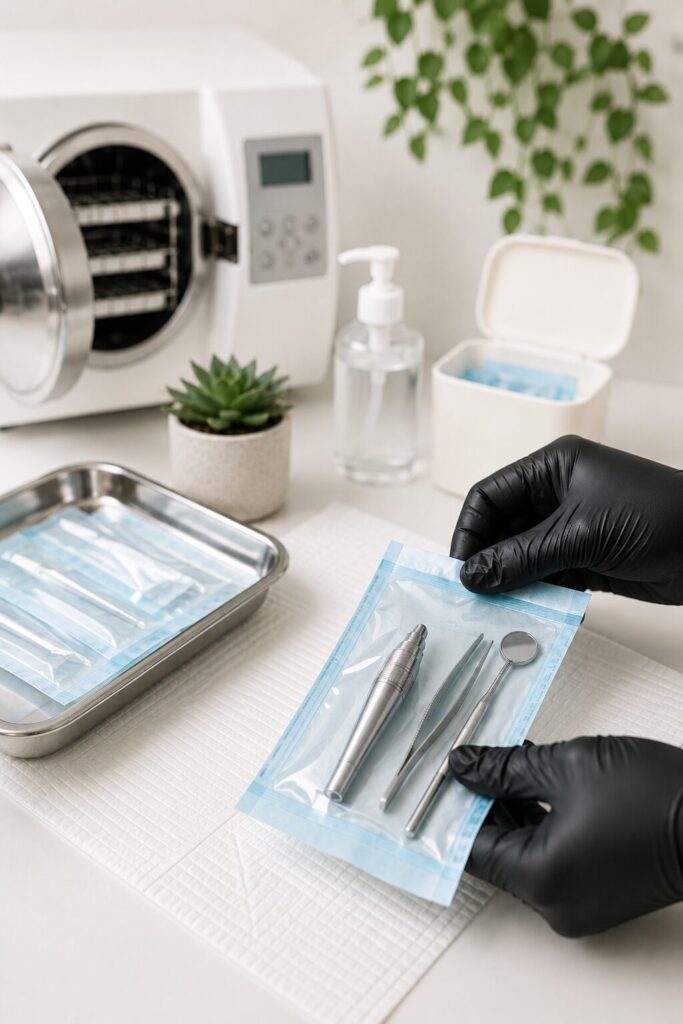
Access to an autoclave (or attend our facilities In Brisbane/simulate the tasks at home)
Study at your own pace and complete practical assessments with video submissions from home or complete the practical in person at our premises.
Course Options
HLTINF005
HLTINF005 – Maintain Infection Prevention for Skin Penetration Treatments is the nationally recognised infection control unit required for professionals performing skin penetration procedures including cosmetic tattooing, body piercing, tattooing, cosmetic injectables, skin needling, and related aesthetic treatments. Delivered 100% online by Elevare Training Group (RTO 46372), this flexible, self-paced course provides the essential skills and knowledge required to identify, manage, and control infection risks while ensuring compliance with current state, territory, and local council regulations Australia-wide. In Queensland, HLTINF005 is the mandated infection control qualification under Queensland Health legislation for higher risk personal appearance services.
Whether you are starting a new career in the beauty or cosmetic industry or expanding your existing services, this accredited unit helps you meet licensing requirements and operate safely and professionally. Learn more about the official unit requirements via Training.gov.au – HLTINF005 Unit Details and Queensland Health Infection Control Guidelines. Enrol today to gain your nationally recognised certification and start studying immediately with ongoing trainer support and fast enrolment processing.
SHBBINF002
SHBBINF002 – Maintain Infection Control Standards is the nationally recognised infection control unit designed for professionals working within beauty, cosmetic, and personal appearance services where infection prevention and hygiene practices are essential. Delivered by Elevare Training (RTO 46372), this flexible, self-paced course provides the practical knowledge and compliance skills required to maintain safe infection control procedures in accordance with Australian health regulations and industry standards.
This accredited unit is suitable for professionals performing treatments including beauty therapy, cosmetic tattooing, body piercing, tattooing, skin needling, cosmetic injectables, and other personal appearance services involving skin penetration or exposure to bodily substances. Students will learn how to identify and minimise infection risks, apply standard precautions, manage contaminated waste, maintain hygienic work practices, and comply with current state, territory, and local council requirements Australia-wide.
Whether you are entering the beauty or aesthetics industry or expanding your professional qualifications, SHBBINF002 helps ensure you meet industry expectations while operating safely, confidently, and professionally. Learn more about the official unit requirements via Training.gov.au – SHBBINF002 Unit Details. Enrol today to gain your nationally recognised certification and begin studying immediately with ongoing trainer support and fast enrolment processing.
HLTINF005 - RPL/Fast Track
HLTINF005 – Maintain Infection Prevention for Skin Penetration Treatments is available through a streamlined RPL/Fast Track pathway for registered nurses and medical practitioners seeking recognition of their existing infection control knowledge and clinical experience. Delivered by Elevare Training (RTO 46372), this flexible assessment pathway allows eligible applicants to gain the nationally recognised HLTINF005 qualification while meeting compliance requirements for cosmetic injectables, skin penetration, and related aesthetic procedures Australia-wide. Applicants must provide evidence of current AHPRA registration at the time of enrolment to access this RPL pathway.
Designed specifically for qualified healthcare professionals entering or expanding within the cosmetic and aesthetics industry, this accredited pathway supports safe, compliant practice while recognising prior learning and professional expertise. Learn more about the official unit requirements via Training.gov.au – HLTINF005 Unit Details and Queensland Health Infection Control Guidelines. Enrol today to gain your nationally recognised certification with fast enrolment processing, dedicated trainer support, and immediate access to your online assessment materials.

Career Pathways
Completing these infection control units opens doors for all skin penetration and cosmetic industries. Graduates can pursue careers as:
- Body Art Tattooists
- Cosmetic Tattooists
- Body Piercers
- Cosmetic Injectables Nurses
- Dermal and Laser Technicians
- Any Industry Conducting Skin Penetration Procedures
This qualification is widely accepted by health departments and councils across Australia, giving you confidence that your training meets industry and legal standards.
Enrol Today!
Don’t wait to meet licensing requirements—enrol online today and start learning immediately. With flexible study options, practical assessments, and nationally recognised units, Elevare Training ensures you are fully compliant and ready to operate safely in Australia’s skin penetration industry.
Enrol now and ensure compliance with regulations required for all skin penetration procedures in Australia.
Common Questions
What is the difference between HLTINF005 and SHBBINF002?
Both contain the same course content. HLTINF005 is valid in all states including Queensland, while SHBBINF002 is accepted everywhere except Queensland.
Can I complete the training from home?
Yes. Our infection control units HLTINF005 and SHBBINF002 can both be completed at home in a simulated environment or at your workplace/clinic. All cosmetic tattoo courses are a combination of virtual/online and in-person training. We have made as much of the course online as possible to give students the flexibility to learn from home to fit their own schedule. The practical elements are face-to-face and can be completed at a number of locations across Australia. Our business, social media and marketing units are 100% online.
Do I need to have an autoclave?
No. We have a number of options for students who are required to demonstrate their competence in the use of an autoclave. They can either be employed in a workplace with access to sterilisation equipment, OR set up a simulated salon in their home, OR have access to a workplace with sterilisation equipment, OR be in driving proximity the RTO premises (Salisbury) so that the teacher can assess them.
How long do I have to complete the course?
Our infection control units HLTINF005 and SHBBINF002 need to be completed within three months of a student’s start date. As the course is self-paced depending on individual commitments, we say that the unit can be completed between 2-12 weeks.
Which infection control course do I need for cosmetic tattooing in Australia?
Professionals offering cosmetic tattooing in Australia are required to complete a nationally recognised infection control course such as HLTINF005 or SHBBINF002. Please check your local council guidelines on which course is accepted in your area.
Is infection control training required for a PAS licence?
Yes. These units are mandatory to apply for a Personal Appearance Services (PAS) Licence and are accepted by councils across Australia.
Is your training nationally recognised?
Yes! Elevare Training Group is a Registered Training Organisation (RTO 46372). All of our training is accredited and nationally recognised.
How long do I need to wait to have my assessments marked?
We ask that you allow up to 48 business hours/three business days to receive feedback once you have submitted your assessment. While we endeavour to have marking completed quicker than this, we need to allow for our assessment team receiving high volumes of submissions from time to time.
Do you grant extensions?
Yes. We can provide students with the option to extend for an additional fee.